

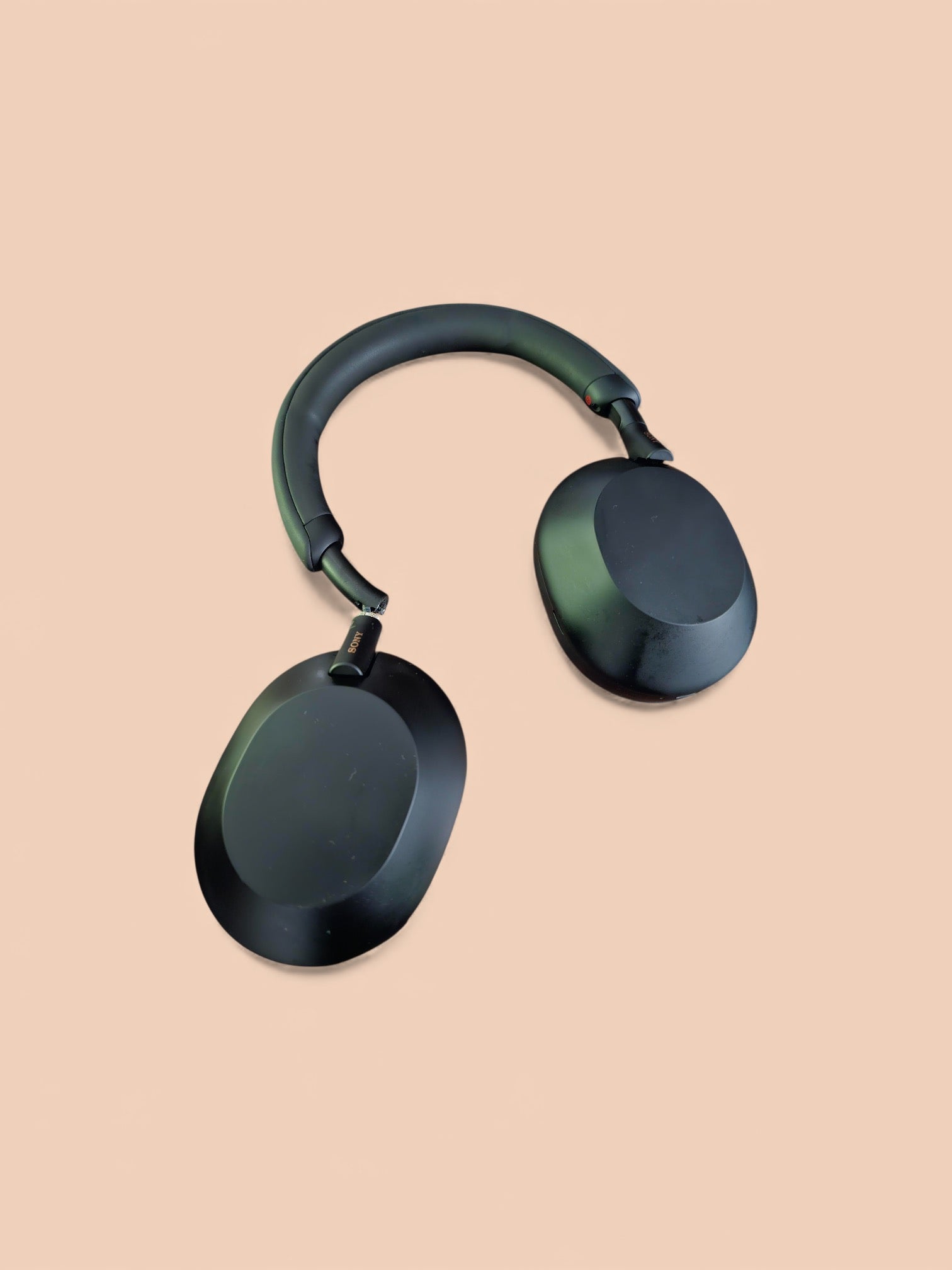
The WH-1000XM series from Sony has built a solid fan base through consistent sound quality and noise canceling performance. With each model, Sony has made quiet updates or major shifts depending on the year. The Sony XM5 landed as a sleek redesign with features many users appreciated, but now the WH-1000XM6 is making its way onto shelves with refinements that are catching people’s attention.
If you're comparing the XM5 to the latest XM6, you're likely trying to figure out what’s really improved and whether those changes matter to how you use your headphones. Whether you’ve owned Sony headphones before or are planning your first pair, there are clear pros and cons to think through before making a decision. We'll walk through design, audio, repairs, and even known wear points like the headband and hinge strength.
What’s the Same Between the XM5 and XM6
Both the XM5 and XM6 carry forward Sony’s reputation for great active noise canceling. The button-free profiles, clean headphone lines, and softly padded cups feel familiar no matter which version you wear. Both headphones are built to sit comfortably on your head for hours, which is why they’re popular for both travel and long workdays.
While the XM6 introduces small upgrades, the shared features include:
• Industry-leading noise cancellation in busy environments
• 30mm dynamic driver units for full, rich sound
• Compatibility with the Sony Headphones Connect app for in-depth customization
• Support for voice control, spatial sound formats, and fast pairing on Android devices
These keep both headphones at the top of daily use, especially for users who value comfort and consistency.
Design Changes You’ll Notice
Sony kept parts of the XM5’s look in the XM6, but opted for extra polishing with traveler-friendly tweaks. The XM6 folds more compactly, a feature that many XM5 users missed. If portability is a key part of your routine, this might tilt the scale.
The ear pads on the XM6 have been slightly reshaped. They're just a touch firmer, which some people prefer for long wear, though others might favor the softer feel of the XM5. Headband flexibility has also been tightened on the XM6, potentially offering better long-term hold but less bend if you're used to tossing them in bags or stretching them by hand.
Those details might sound small, but tiny shifts in material and shape make a big difference when you wear headphones all day. We suggest trying both if you can, just to get a sense of which feels better to you.
Sound Tweaks and What They Mean
The Sony XM6 aims to fine-tune an already strong sound signature. Where the XM5 delivered strong bass and a slight warmth, the XM6 moves toward balance. That shift helps vocals shine a bit more in podcasts or acoustic tracks, while still giving full bass in electronic or hip-hop mixes.
Some people might not hear massive differences right away. The tweaks come across in small ways, a smoother top end here, a bit less boom in the low mids there. If you're watching movies or editing video, you might notice improved dialog clarity on the XM6.
For casual listening, both headphones sound fantastic. But for users who tune EQ settings or care deeply about flatter audio response, those small differences in the XM6 may stand out.
Battery Life and Charging
Battery life remains solid across both models. With noise canceling turned on, you're still looking at up to 30 hours on a full charge. That’s enough for most workweeks or long trips.
The Sony XM6 does charge slightly faster thanks to an updated USB-C implementation. In cold weather, like we see in December travel or commutes in northern areas, charging and battery holding can slow down. It's always a good idea to top off your headphones regularly in winter months to avoid unexpected dropouts.
Aside from faster quick charge support, you won’t see much difference in battery behavior between these two headphones.
Which Model Works Better for Repairs and Upgrades
One of the things most users don’t think about until something goes wrong is how repairable their headphones are. Both the XM5 and XM6 allow for DIY solutions, especially simple ones like replacing ear pads or headbands.
This is where having good access to Sony WH-1000XM5 parts makes a difference. For example, some XM5 users report weakness in the hinge and headband area. If that breaks, you don’t necessarily need to retire the headphones. We’re, based in Fox Lake, Illinois, produce custom-designed hinge repair kits and premium replacement ear pads, helping you keep your headphones working rather than replacing them. A repair kit designed for the XM5 is available here:
And you can follow a detailed step-by-step repair guide here:
Having access to high-quality replacement parts and clear repair tutorials means your headphones can last longer, reducing unnecessary waste. Both models seem designed with repairs in mind, but long-term durability of the XM6 will be better understood as more users test them out over time.
Which Headphones Should You Choose?
Selecting between the XM5 and XM6 depends on the details that fit your personal listening habits. If features like a more compact folding style, balanced sound, and faster USB-C charging are priorities, the XM6 might be the better choice for you.
If your XM5 headphones already meet your needs, upgrading is not essential. With products like our custom repair kits and upgrade parts, keeping your XM5 headphones in peak condition is both practical and sustainable.
Keeping your Sony headphones in peak condition is easier than ever with access to high-quality replacement parts. At CentralSound, we offer a wide selection of Sony WH-1000XM5 parts designed to extend the life of your beloved headphones. Whether you need to replace a worn ear pad or repair a hinge, our parts ensure that you continue enjoying excellent sound quality and comfort. Trust CentralSound to support your audio journey with durable and reliable components.


Leave a comment
All comments are moderated before being published.
This site is protected by hCaptcha and the hCaptcha Privacy Policy and Terms of Service apply.