
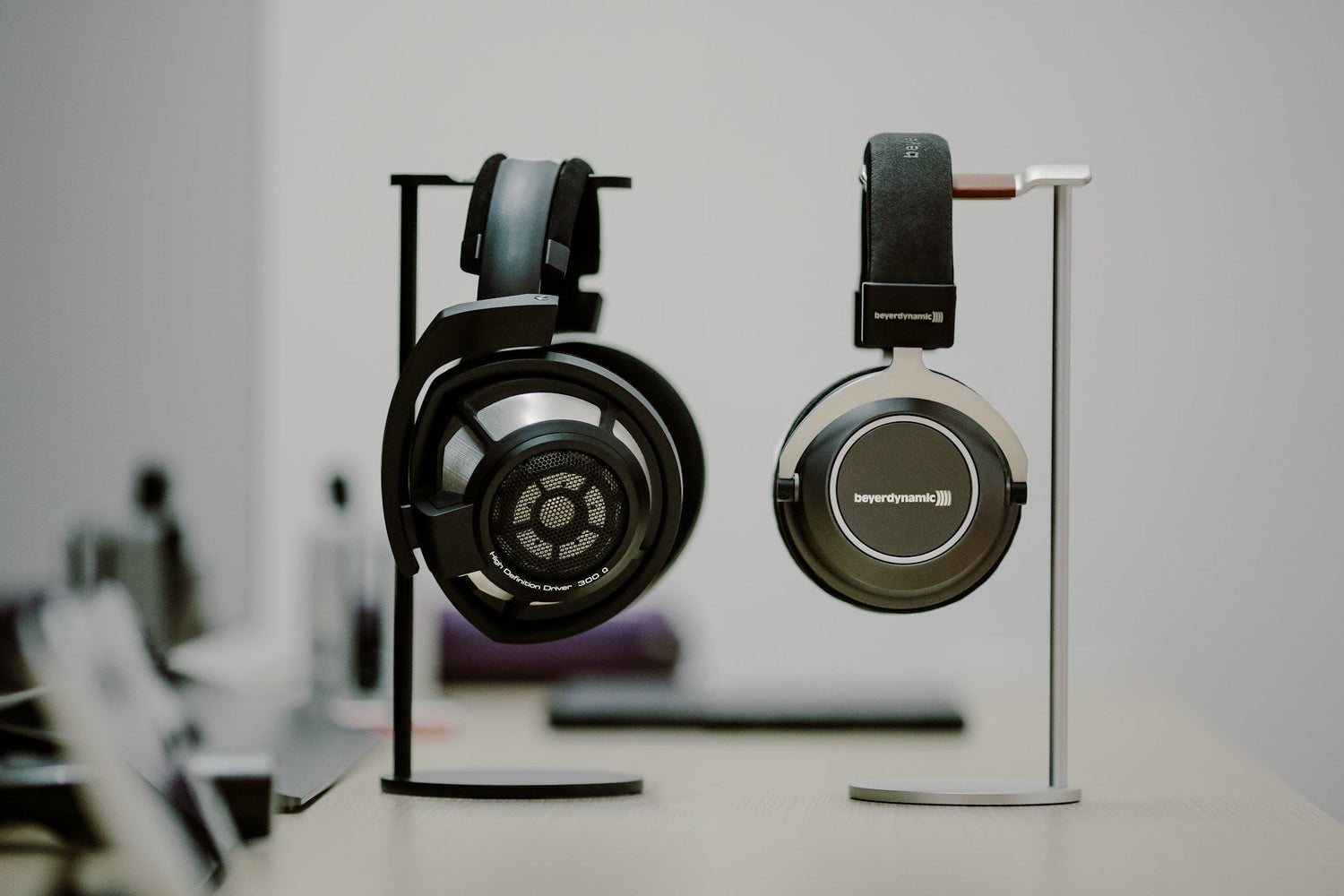
Hear the Truth: How Replacement DT 770 Ear Pad Shape Changes Your Mix
Ear pads on Beyerdynamic DT 770 headphones are not just cushions, they are a critical, replaceable part that directly affects what you hear. If your mixes feel solid in your DT 770s but fall apart on car speakers or earbuds, the condition and geometry of your ear pads may be a major factor.
On the DT 770, clamp force plus pad geometry (height, angle, inner opening, and foam density) set the size and shape of the air pocket around your ear. That pocket behaves like a tiny acoustic chamber that strongly shapes bass extension, midrange balance, treble detail, and stereo image. When it is time to replace your pads, the style of replacement pads you choose will subtly re-tune that chamber.
This article focuses on how different replacement ear pad geometries for the Beyerdynamic DT 770, especially stock-style velour pads vs. thicker, flatter, or angled alternatives, can change what you hear and how your mix decisions translate.
Why DT 770 Replacement Ear Pads Matter
The Beyerdynamic DT 770 is a closed-back studio staple for tracking, editing, and late-night mix checks. On this model, the ear pads play two important roles as a replaceable part:
1. They create the physical seal around your ear, affecting isolation and leakage.
2. They define the volume and shape of the air space between the driver and your ear.
As original pads age, they compress, tear, or lose firmness. Common wear issues on DT 770 pads include:
- Noticeable flattening of the pads, especially at the bottom
- Velour surface becoming matted, shiny, or stiff
- Foam losing resilience and taking longer to spring back
- Left and right pads aging unevenly, leading to asymmetry
These failures are not just cosmetic. When pads flatten and break down, they typically:
- Reduce the distance from driver to ear
- Shrink the enclosed air volume
- Change how foam and fabric absorb different frequencies
Typical Sound Changes with Worn DT 770 Pads
Most users of worn DT 770 pads notice some combination of these effects:
- Less low-end weight and depth
- More prominent upper mids that can feel shouty or harsh
- A false sense that the low end is tighter and more controlled than it really is
-
Slight image shift if one pad is more collapsed than the other
When this happens, engineers often react with EQ:
- Cutting 2, 4 kHz to tame harshness
- Boosting sub-bass to restore perceived weight
Those moves might be compensating for pad wear rather than actual mix problems. Because replacement pads are an inexpensive DT 770 part, it often makes more sense to restore proper pad geometry before re-working your mixes.
Stock-Style Beyerdynamic DT 770 Velour Pads: Your Reference Baseline
Stock Beyerdynamic DT 770 velour pads (and stock-style aftermarket replacements designed to match them) are the reference many engineers know. Properly installed, fresh velour pads generally provide:
- Airy, slightly lifted top end
- Sub-bass that is present but not as boosted as with fully sealed leather-style pads
-
A mild "V-shaped" tuning with clear lows, slightly scooped low-mids, and crisp highs
When you install new stock-style velour replacement pads that closely match the original geometry (pad height, density, and inner opening), you typically restore:
- Correct driver-to-ear distance
- Original bass extension and balance
- Stable stereo center and imaging
Over time, especially in warm or humid environments, stock DT 770 velour pads commonly show:
- Foam fatigue (loss of height and firmness)
- Compressed spots where the pad contacts jawline or glasses
- Left/right pad mismatch due to uneven wear
Once you install a fresh pair of quality replacement pads that follow the original dimensions, your reference sound becomes more trustworthy again. If you are evaluating new mixes, remasters, or streaming masters, replacing obviously worn pads is a simple parts swap that can prevent months of mix translation issues.
How Replacement Pad Shapes Affect Mixing on DT 770
When choosing replacement DT 770 ear pads, you will see options that differ in shape and material from the original. Even when they are fully compatible with the DT 770 mounting ring, changes in geometry can significantly alter your mix perspective.
Thick, Straight ("Pancake") Replacement Pads
Some aftermarket DT 770-compatible pads are thicker and more uniformly straight-walled than the stock pads. Compared to fresh stock-style velour pads, thicker straight pads usually:
- Increase driver-to-ear distance
- Slightly smooth upper mids and presence
- Soften sibilance and hi-hat bite
- Emphasize sub-bass and overall low-end weight
Mix impact:
- Kicks, subs, and 808s can feel bigger than they really are
-
You may under-mix bass or pull down low frequencies to compensate
If you prefer this sound for casual listening, be careful when using these thick pads as your only mixing reference. When you swap to another system, your low end may feel weak because you were compensating for pad-induced bass lift.
Thinner, Firmer Replacement Pads
Some DT 770 replacement pads are designed with a lower profile or firmer foam. Relative to stock-style pads, thinner, denser designs often:
- Move the driver slightly closer to your ear
- Reduce deep sub-bass extension
- Emphasize low-mid punch
- Make upper mids around vocals and guitars more forward
- Make transients feel faster and more "in your face"
Mix impact:
- You may feel more confident about vocal and guitar detail
- There is a risk of over-boosting sub-bass if you are chasing weight that the pad geometry is reducing
These pads can be useful if you like a more aggressive, mid-forward presentation for editing, but you will want to check low-end decisions on another reference if you notice subs feel thin on other systems.
Angled Replacement Pads for DT 770
Angled DT 770-compatible pads are thicker at the back and thinner at the front. This tilts the driver slightly toward your ear canal, similar to the way some studio monitors toe-in toward the listening position. Compared with symmetrical pads, angled designs typically:
- Alter the apparent stereo width, often making it feel a bit wider
- Bring center-panned vocals and snare slightly forward
-
Make hard-panned guitars and reverb tails feel more spread out
Mix impact:
- The presentation can feel more speaker-like and immersive
-
You might under-EQ or under-pan bright cymbals and guitars because they seem smoother and more spacious than they will sound on flatter systems
Inner Opening Size and Ear Contact
Replacement pads for the DT 770 vary in their inner opening diameter and shape. This matters for both comfort and sound:
Larger inner openings: Less contact with the pinna, feeling more open and less claustrophobic; can slightly reduce perceived upper-mid focus and fatigue.
Smaller inner openings: Increase contact and can improve isolation; can subtly emphasize upper mids and presence.
Mix impact:
- A more isolated, upper-mid-focused pad may push you to soften vocals and harsh elements
- A more open-feeling pad may encourage slightly brighter mixes if you chase back the clarity you perceive as missing
Pad Material and Geometry Combinations for DT 770 Use Cases
Replacement pads vary not just in shape but in material. Common DT 770-compatible options include velour, leather/pleather, and hybrids that combine a leather outer wall with a velour face.
Velour, Medium Thickness, Straight Profile
- Similar to the stock DT 770 tuning when the dimensions are closely matched
- Breathable and cooler for long sessions
- Balanced highs with moderate isolation
Best for: Mix and edit work where comfort and a familiar DT 770 voicing matter more than maximum isolation.
Leather or Pleather, Medium or Thick, Straight Profile
- Stronger seal and higher isolation
- More bass impact and low-frequency isolation
- Can make highs feel a bit sharper if the pad geometry is stiffer
Best for: Tracking and vocal booths where bleed control and strong low-end feedback in the cue mix are important. Performers often prefer these because they can hear the kick and bass clearly without excessive volume.
Hybrid Pads (Leather Outer Ring, Velour Face)
- Aim to combine isolation of a sealed wall with the skin comfort of velour
- Often yield a slightly more open top end than full leather while still reinforcing low end more than pure velour
Best for: Users who need better isolation than velour but want to avoid the heat and stickiness of full leather pads during long sessions.
Choosing Replacement DT 770 Pads by Role
Because this is a parts-focused decision, it helps to match the replacement pad style to how you primarily use your DT 770:
For Tracking and Vocal Booths
Priorities:
- Isolation
- Minimal click bleed
-
Stable pad shape under clamp pressure
Recommended pad traits:
- Leather/pleather or hybrid outer ring
- Slightly thicker, firmer foam to resist collapse
-
Geometry that maintains a consistent seal around the jawline
These pads give performers a solid low-end foundation at moderate cue levels, which supports better pitching and phrasing while reducing overall headphone volume.
For Mixing and Editing
Priorities:
- Predictable frequency balance
- Stable stereo image over long sessions
- Comfort in warm environments
Recommended pad traits:
- Velour or hybrid face for breathability
- Medium thickness with geometry close to the stock pads if you rely on the classic DT 770 sound
-
Well-matched left/right pad height and foam density
Choosing replacement pads that are manufactured with consistent dimensions helps maintain a stable phantom center and accurate panning. This matters when judging vocal placement, drum imaging, and reverb depth.
Checking Pad Condition and Planning Replacements
Before changing EQ curves, plug-ins, or even headphones, consider the condition of your DT 770 pads. A quick parts check can prevent a lot of guesswork.
Simple inspection checklist:
- Height: Compare current pad height to a new or lightly used reference if available. Flat, collapsed pads are a strong replacement cue.
- Firmness: Press on each pad and note how quickly it rebounds. Slow recovery or a "bottomed out" feel means the foam is tired.
- Left/Right Symmetry: Look and feel for differences between sides. A visibly flatter pad on one side can skew your stereo image.
- Surface Condition: Check velour for shiny, matted areas or leather/pleather for cracking or flaking.
If any of these issues are obvious, it is time for new pads. Replacing the pads is a straightforward parts swap on the DT 770: remove the old pads from the mounting lip, seat the new pads evenly around the rim, and confirm that both sides are fully seated and symmetrical.
Tuning Your DT 770 with the Right Replacement Pads
Treat your DT 770 ear pads as a small but repeatable tuning step, just like positioning studio monitors in a room. When you select replacement pads, do it deliberately and then learn that pad’s sound rather than swapping constantly.
Practical approach:
- Decide your primary use: tracking, mixing, gaming, content creation, or a blend.
- Inspect your current pads and note any obvious wear or asymmetry.
- Choose a compatible replacement pad geometry and material that matches your use case and comfort needs.
- Replace both pads at the same time so left and right sides match.
-
Re-learn your DT 770 with a few trusted reference tracks, paying attention to bass depth, vocal presence, and stereo image.
By viewing ear pads as a critical, user-replaceable part of the DT 770 system, you can extend the life of a familiar headphone, maintain a consistent reference, and avoid chasing mix problems that are really pad-geometry issues. Instead of jumping straight to a new headphone model, a carefully chosen set of replacement DT 770 ear pads can restore the sound you expect from drivers you already know and trust.
Give Your DT 770s A Fresh, Studio-Ready Feel
If your headphones are losing comfort or clarity, upgrading your beyerdynamic DT 770 ear pads is one of the fastest ways to restore that like-new listening experience. At CentralSound, we stock parts chosen to match the performance and feel you expect in the studio or at home. If you are unsure which pads are right for you or have fit questions, contact us and we will help you choose the best option.

Leave a comment
All comments are moderated before being published.
This site is protected by hCaptcha and the hCaptcha Privacy Policy and Terms of Service apply.