
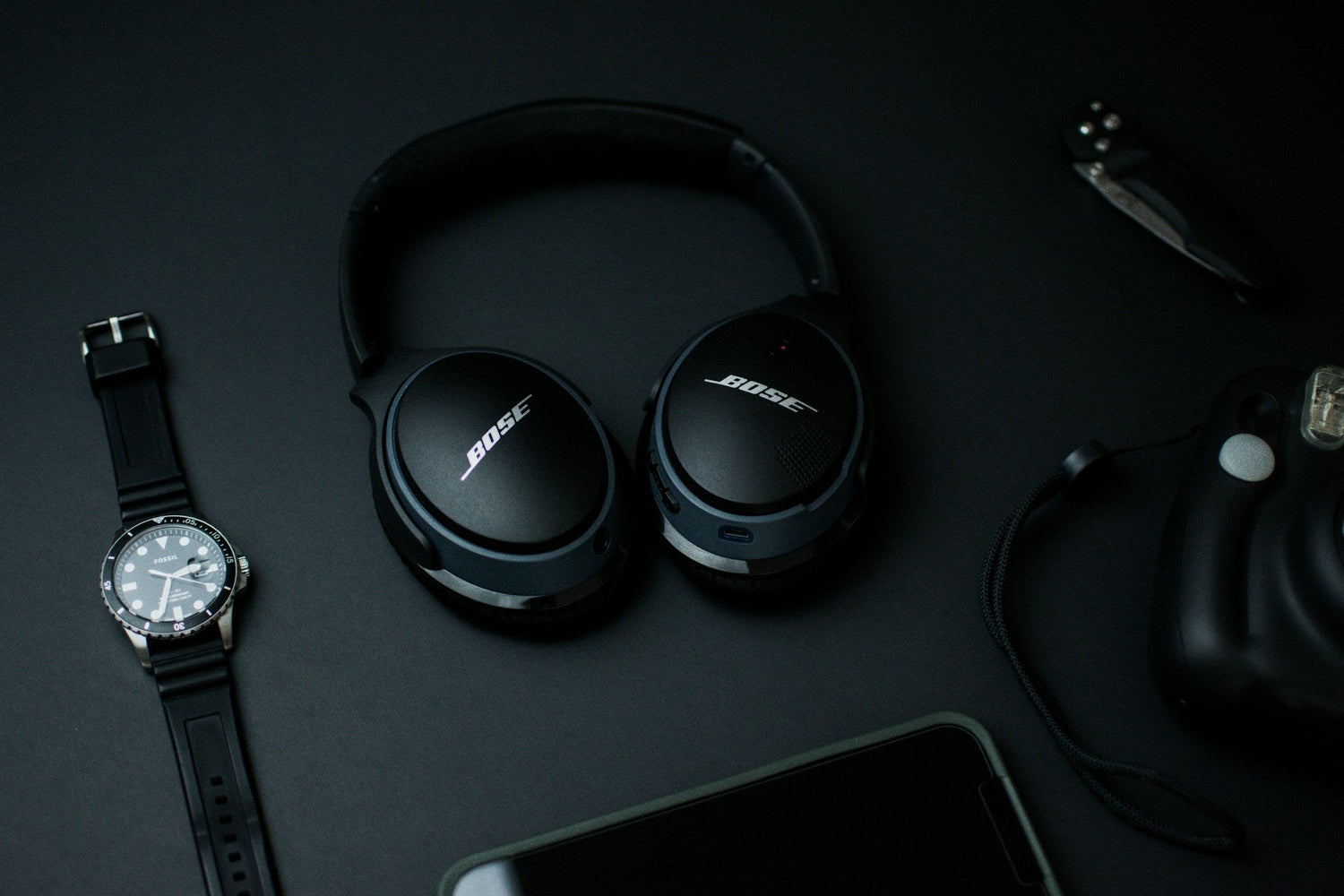
Why Bose A20 Cushions Suddenly Feel Off
When the Bose A20 is new, the seal generally feels effortless. You flip on ANR, the low rumble drops out, and the headset is easy to wear for long legs. After a lot of flight hours, though, that smooth seal can start to fade, and it can be hard to tell if the issue is with the headset frame, the adjustment, or specifically the ear cushions.
The A20 typically lives a harder life than most consumer headphones. Pilots deal with long duty days, repeated on-off cycles during quick turns, elevated cockpit temperatures, sweat, sunscreen, and clamp pressure over sunglasses or prescription glasses. All of that stress concentrates on a few square inches of cushion material and backing.
Many pilots notice changes in small ways at first:
- Cushions no longer seal cleanly around eyeglass temples
- Engine and prop noise begin to leak back in at certain head angles
-
Hot spots form on the jaw or around the ear after only an hour or two
At that point, a Bose A20 ear cushion replacement is often the next step. Fresh cushions can restore a significant amount of comfort and noise reduction, but only if the parts match the A20’s specific earcup geometry and attachment method.
How Bose A20 Ear Cushions Are Engineered to Seal
The A20 cushion is designed around the headset’s clamp force, ANR tuning, and typical cockpit use.
- Shape and depth: The pad is a tall oval with enough internal depth to clear most ears, even with eyeglass frames. The inner cavity size and shape help avoid the ear touching the internal fabric or plastic baffle under normal use.
-
Foam characteristics: The foam is selected to provide a firm but compliant sidewall so the pad can:
- Compress enough to seal around eyeglass temples and sunglass frames;
- Distribute clamp pressure over a broader area along the jaw and skull; and
- Maintain space between the driver and the ear to support the ANR tuning the A20 was designed around.
- Backing structure and mounting lip: Under the leatherette-style cover, there is a backing structure with an attachment lip that interfaces with the A20 earcup. That interface is critical. If the lip thickness, width, or profile differs from the original, the cushion can sit unevenly, twist, or develop gaps. Even small leaks can noticeably change low-frequency isolation and perceived ANR performance.
- Thickness vs. stiffness: If a replacement pad is thinner than the original, the driver sits closer to the ear, clamp force can feel harsher, and the ear is more likely to bottom out against the inner liner. If a pad is taller but softer than spec, it may feel plush at first but can compress unevenly in flight, breaking the seal when the jaw moves or when the head turns.
These details are why cushions designed for consumer headphones such as the Bose QuietComfort 35 or 45 are not appropriate replacements for an aviation headset like the A20. QuietComfort-series pads are built for lower vibration environments, lighter clamp forces, and different cup geometry.
On an A20, using cushions intended for consumer Bose models can:
- Change the headset’s vertical position on the head
- Shift pressure to narrower areas over the temples
-
Alter the distance between ear and driver that the A20’s ANR circuitry expects
The typical result is increased low-frequency noise and more fatigue, not an improvement.
Common Fit Issues When Replacing Bose A20 Cushions
When a Bose A20 ear cushion replacement does not closely match the original design, problems usually show up immediately in actual cockpit use.
Common pilot reports include:
- One earcup sealing worse than the other, even after readjusting the headband
- A new low-frequency rumble that was not present with original cushions
- Ears contacting the inner fabric or plastic baffle after a long leg
-
A feeling that the headset needs to be clamped tighter to achieve similar isolation
From a parts standpoint, these complaints typically trace back to small but important construction differences:
- Foam that is too soft: Very soft pads can look comfortable but compress heavily under the A20’s clamp force. Once they bottom out, the ear is closer to the hard cup components and small gaps form at the jawline or around glasses.
-
Incorrect backing ring shape: If the mounting ring or backing plate is slightly narrower, thicker, or not contoured to match the A20 earcup lip, the pad may:
- Feel loose or twist when putting on or removing the headset;
- Fail to sit flush all the way around the cup; and
- Develop tiny edge gaps that ANR cannot effectively compensate for.
- Heat-related material changes: High cockpit temperatures and sweat can exaggerate minor fit flaws. Materials that seem acceptable in a cool shop may soften or deform on a hot ramp. Poorly matched cover and backing materials can start peeling at the edges, hardening prematurely, or losing their bond to the mounting ring.
Comparing Bose A20 Cushions to Other Bose Models
The A20’s operating environment differs substantially from that of consumer Bose models such as QC25, QC35, QC45, and Bose 700, which are designed primarily for airline cabins, commuting, and office use.
Compared with those models, genuine-spec A20 cushions generally have:
- Different overall thickness to set the correct ear-to-driver distance in loud piston or turbine cabins
- Firmer sidewalls to stay stable through head turns, checklist scans, and jaw motion while talking
- A cover texture aimed at balancing grip, comfort, and resistance to sweat and sunscreen
-
An oval shape optimized to work around eyeglass frames worn continuously during flight
Aviation headsets sit in a harsher sound and vibration field than typical travel headphones. Instead of a steady, relatively smooth airliner cabin, the A20 is often used next to piston engines, turboprops, or rotor systems. The cushion seal has to hold through vibration, power changes, and continuous head movement.
Because of this, the ear cushion is part of a tightly integrated system. Generic pads labeled as “Bose over-ear” or “fits multiple Bose models” rarely match all of the A20’s requirements. When such pads are used on an A20:
- The earcups can sit higher or lower on the head than intended
- Clamp pressure may feel uneven, concentrating discomfort at one narrow point
- Isolation can drop just enough that the user compensates by increasing volume, leading to more fatigue over long flights
When a Bose A20 Ear Cushion Replacement Makes Sense
The challenge is separating normal break-in from actual wear-out. Several clear indicators suggest it is time to replace the cushions on a Bose A20:
- Visible cracks or peeling along edges, corners, or seams
- Sidewalls that remain flattened and do not spring back when pressed
- Exposed foam where the outer cover has worn through
-
A noticeable increase in engine or prop noise at the same power settings and ANR volume
Seasonal flying patterns affect replacement intervals. During summer, sweat, sunscreen, and frequent donning and doffing tend to degrade protein leather surfaces more quickly. Pads can become tacky, lose flexibility, and separate from the mounting ring. In drier, colder conditions, the surface may stiffen and then begin to flake.
For pilots who log many hours in training or long IFR legs, proactive replacement before peak summer often works better than waiting for a pad to fail mid-season. A fresh set of A20-specific cushions typically reduces pressure points, cuts down on in-flight adjustments, and supports more consistent ANR behavior over a full duty day.
Selecting Bose A20 Cushions That Match Original Fit
When selecting a Bose A20 ear cushion replacement, the word “compatible” should be treated as a starting point, not a guarantee. It is important to verify that the parts are designed specifically around the A20.
A practical checklist for choosing cushions for the Bose A20:
- The A20 model is explicitly listed, not just “Bose over-ear”
- The mounting ring shape and lip are described or shown as matching the A20 earcup design
- The cover material is similar to the original protein leather style, not a generic fabric more suited to consumer headphones
- Published thickness and depth are close to stock A20 dimensions
-
The foam density or sidewall firmness is described as suitable for aviation or high-clamp applications
After installation, basic checks can confirm fit and seal:
- Run fingers around the entire cushion perimeter to verify full 360-degree engagement with the earcup
- Gently wiggle the cushions to confirm they do not rotate freely or pop off
- Wear the headset with normal eyeglass frames and check for even clamp pressure on both sides
- Perform an ANR check (engine run-up or powered ground test) and listen for changes in low-frequency noise, balance between ears, and comfort over a short trial period
Maintaining Bose A20 Cushions
Simple care steps help extend the life of replacement cushions:
- Wipe pads with a soft, slightly damp cloth after flights to remove sweat, sunscreen, and skin oils
- Allow cushions to air dry fully before storing in a case
- Avoid leaving the headset in direct sunlight in parked aircraft or vehicles, especially in hot weather
- During routine headset checks, inspect for early signs of compression, cracking, or edge lifting so replacements can be scheduled before busy flying periods
Focusing on model-specific cushions designed for the Bose A20, and maintaining them regularly, helps keep the headset performing closer to its original comfort and isolation levels over many flight hours.
Refresh Your Bose Comfort And Sound Quality
If your ear pads are worn out or peeling, we make it simple to restore your headphones with our Bose headphone cushion replacement options. At CentralSound, we focus on parts that fit correctly so your headphones look and feel like new again. If you are unsure which cushions you need or have any questions, contact us and we will guide you step by step.

Leave a comment
All comments are moderated before being published.
This site is protected by hCaptcha and the hCaptcha Privacy Policy and Terms of Service apply.