
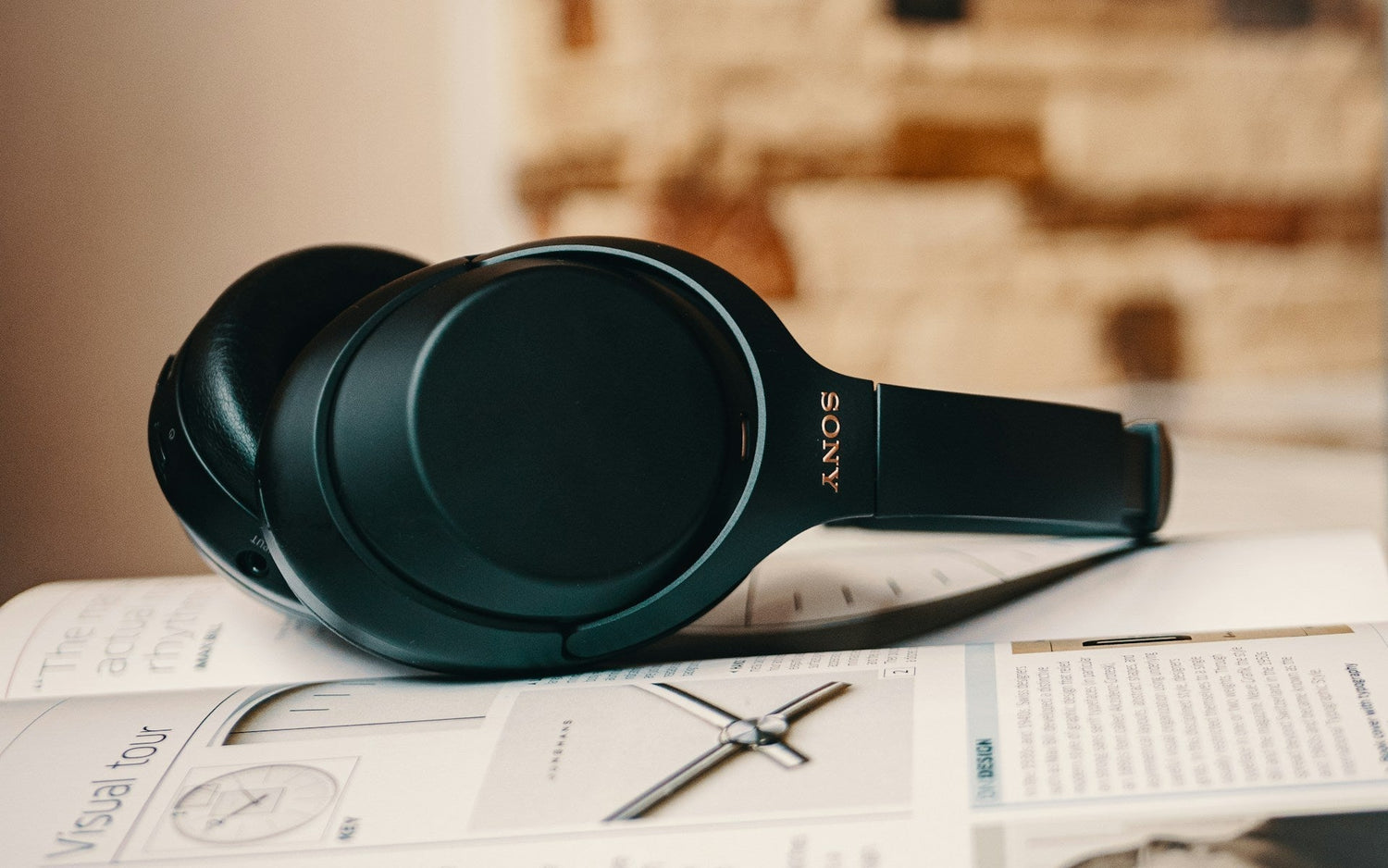
When a WH-1000XM4 Hinge Snaps and What Happens Next
A broken Sony WH-1000XM4 hinge usually shows up the same way. You notice a crack near the yoke or side arm, the earcup starts to dangle, or part of the plastic shell separates after a drop or from years of folding and unfolding. The headphones may still power on and play, but they no longer sit correctly on your head.
When the hinge fails, the fit on that side changes. The seal around the ear weakens, sound can leak out, and outside noise creeps in. Active noise canceling works best when both earcups sit in a consistent position; once one side sags or twists, ANC performance and channel balance can feel less stable. This does not mean the WH-1000XM4 is finished, but it does mean the structural parts around the hinge need to be replaced.
Replacing targeted Sony WH-1000XM4 parts such as the left or right hinge/yoke assembly, side covers, and related cushion parts can restore both comfort and acoustic performance. By swapping the mechanical components that fail most often and keeping the original drivers, ANC hardware, and electronics, you extend the life of the headphones instead of replacing the entire unit.
Identifying Exact Hinge Damage on WH-1000XM4
On the WH-1000XM4, hinge-related failures tend to appear in a few predictable areas around the folding mechanism:
- Hairline cracks along the plastic side arm close to the swivel joint above the earcup
- Full breaks where the earcup separates from the headband side piece or yoke
- Stress fractures under the cosmetic hinge cover that become visible only when the arm is flexed
- Small chips around the hinge screw bosses that gradually spread with daily folding and unfolding
A careful visual and physical inspection helps you decide which specific parts you need instead of guessing.
1. Compare Both Sides in a Good Light
Hold the WH-1000XM4 by the headband and look at the left and right hinge areas side by side. Note:
- Does one earcup sit lower than the other when the headphones are at your normal listening size?
- Does one side have extra play or wobble when you gently move the cup?
- Is there any visible gap between the hinge cover and the side arm on just one side?
2. Open and Fold the Headband Slowly
Rotate each earcup through its full range of motion:
- Listen for grinding or scraping noises as the cup swivels.
- Feel for soft spots where the hinge gives too easily or feels spongy.
- Watch for sudden clicks, binding, or jumps in movement that you do not feel on the opposite side.
3. Inspect the Hinge Mounting Points
Look closely around the points where the hinge attaches to the earcup and where the side arm meets the headband slider:
- Check for tiny cracks radiating from screw holes or pivot points.
- Look for lifted or separated trim pieces around the hinge cover.
- Note if one earcup points slightly forward or backward compared with the other when worn; this can indicate a bent side arm or a cracked hinge mount under the cover.
A clear assessment of the damage guides your parts selection:
- If only the outer hinge/yoke shell is cracked but the movement feels normal, replacing the hinge/yoke assembly and its cover on that side is often sufficient.
- If the earcup is loose, droops, or rotates out of alignment, a full side assembly (hinge/yoke, side arm, and associated covers) for that side is typically more reliable.
- If the headband side is visibly twisted or if the ear pads have become misshapen from months of uneven pressure, pairing structural parts with a new headband cushion and fresh ear pads can restore both structure and comfort.
Choosing the Right WH-1000XM4 Parts for Hinge Repair
Once the failure points are identified, the next step is choosing the specific WH-1000XM4 parts that address them. For this model, hinge-related repairs usually involve three main part groups:
- Left/right Hinge and Yoke Assemblies Designed for WH-1000XM4 Geometry
- Headband Side Covers and Structural Side Arms That Surround the Hinge
- Optional Ear Pads and Headband Cushions to refresh comfort while the headphones are disassembled
Generic or cross-model hinge components that only resemble WH-1000XM4 parts in photos rarely match the exact geometry and tolerances of the original frame. The XM4 has specific pivot angles and clearances that let the cups fold, swivel flat, and seal properly. Using parts shaped for this exact model helps the earcups return to the intended position on your ears and preserves ANC performance.
Material construction matters as well. Replacement hinge assemblies that incorporate reinforced plastic formulations or metal reinforcement plates in high-stress zones can offer better resistance to repeat cracking at the folding pivot. When choosing cosmetic covers and side arms, color and finish matching is important if you want the headphones to look uniform:
- WH-1000XM4 Black (often labeled as black or midnight black parts)
- WH-1000XM4 Silver (often labeled as silver or platinum silver parts)
A practical parts approach for a hinge failure on WH-1000XM4 looks like this:
- Single-Side Hinge/yoke Replacement if the opposite side feels solid, tracks smoothly, and shows no stress lines.
- Both-Side Hinge/yoke and Side Arm Replacement if you want even resistance and motion on both hinges, or if there are early stress marks on the "good" side.
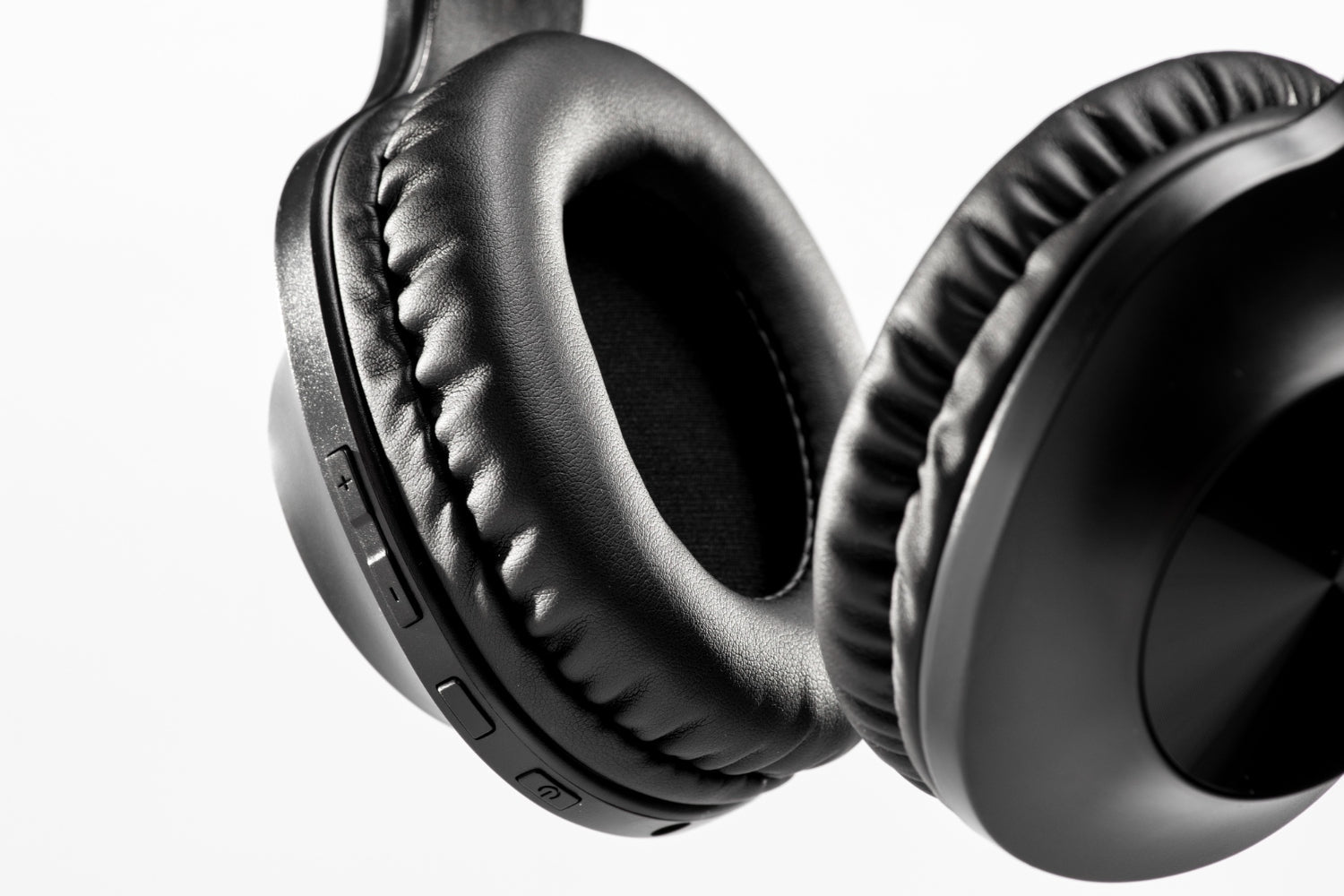
- Ear Pad Replacement (left and right pair) if the original pads are flat, cracked, or flaking; this helps rebuild the ANC seal once the structural parts are stable.
- Headband Cushion Replacement or Upgrade if the headband has been flexed hard during the failure or if the top padding is compressed; restoring this cushion helps distribute pressure so you do not over-tighten the headband to compensate for wear.
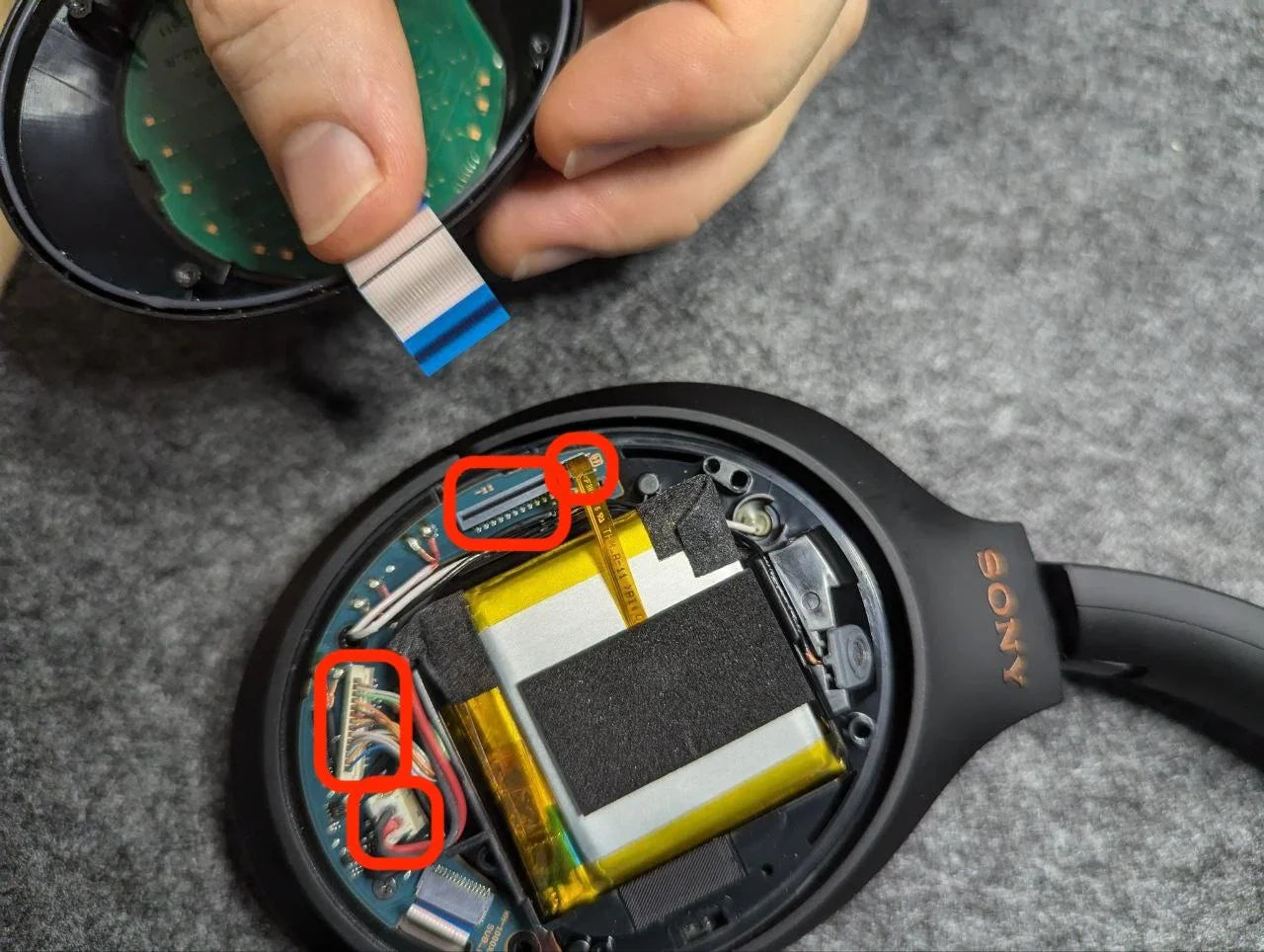
Throughout this process, the focus stays on swapping physical components. Electrical modules, drivers, and ANC circuitry remain in place and are not serviced or altered.
XM4 vs. WH-1000XM5 and WH-1000XM3 After a Hinge Break
Positioning the WH-1000XM4 hinge design next to the WH-1000XM3 and WH-1000XM5 helps clarify how hinge stress differs across generations.
WH-1000XM3 and WH-1000XM4
These two models share a similar folding structure. Both use rotating earcups that tuck in toward the headband, concentrating mechanical stress at the swivel joint and at the narrowest section of the side arm near the hinge. On heavily used units, especially those frequently folded for commuting or travel, cracks and fractures often appear in nearly identical spots on XM3 and XM4 hinge assemblies.
WH-1000XM5
The WH-1000XM5 uses a non-folding headband with a different slider and yoke configuration. This avoids the classic fold-hinge crack seen on many XM3 and XM4 units, but loads shift to other moving points such as the vertical sliders and yoke joints. Over time, wear on XM5 tends to show up as loosened sliders, play at the yoke joints, or cosmetic wear where the cups pivot, rather than as a folding-hinge break.
From a parts perspective once an XM4 hinge has failed:
- Continuing with WH-1000XM4 using replacement hinge/yoke assemblies, side arms, and cushions lets you keep a familiar sound and ANC profile while directly addressing a known structural weak point.
- Moving to WH-1000XM3 or WH-1000XM5 introduces a different hinge/slider layout and therefore a different pattern of mechanical wear, along with a different set of model-specific parts over time.
For listeners who rely on folding designs for compact travel, reinforcing an XM4 or XM3 with fresh hinge and side arm assemblies is a way to extend the life of an existing platform. For users who mostly listen at a desk or at home, the non-folding XM5 may fit the use case better, while a fully functional XM4 with new hinges and pads can serve as a backup pair.
Preventing Future Hinge Stress and Extending WH-1000XM4 Lifespan
After installing fresh hinge and side components on the WH-1000XM4, daily handling has a large impact on how long those parts last.
Handling Habits to Reduce Hinge Load:
- Fold and unfold the headphones with two hands, supporting both earcups instead of twisting from one side.
- Avoid snapping the hinge closed in one quick motion; guide the cups through their full range.
- Do not carry or hang the headphones by a single earcup, cable, or exposed hinge area.
- During travel and commuting, store the WH-1000XM4 in a rigid or semi-rigid case rather than loose in a backpack or suitcase.
Storage Practices:
- When not in use, fold the WH-1000XM4 into its intended storage shape and place it in a protective case. This limits accidental impacts directly to the hinge or yoke.
- Avoid leaving the headphones partially folded or stretched across uneven surfaces such as the edge of a desk or a car seat, where they can be knocked to the floor and land on the side arm or hinge.
Light Maintenance Schedule:
- Every few weeks, inspect the hinge area and side arms under good light for early stress lines or small surface cracks.
- Check that hinge-related screws are snug but not overtightened. Overtightening can stress plastic around screw bosses.
- Wipe sweat, skin oils, hair products, and sunscreen residue from pads, headband, and hinge covers with a soft, slightly damp cloth. This helps slow down material breakdown in plastics and cushions around the moving parts.
- Replace ear pads and headband pads when they become thin or uneven; adequate cushioning reduces the tendency to clamp the headband harder, which in turn lowers stress on the hinge and side arms.
Structural parts and comfort parts work together. New hinge, yoke, and side arm components re-establish a stable mechanical frame, which keeps the earcups in the correct position. Fresh cushions rebuild the contact surface that maintains the ANC seal and distributes pressure on the headband.
Restore Your WH-1000XM4 with Parts and Plan Future Use
A broken WH-1000XM4 hinge does not have to end the useful life of the headphones. By focusing on model-specific WH-1000XM4 structural parts, such as left and right hinge/yoke assemblies, side arms, side covers, and matching cushions, you can rebuild the high-stress areas while preserving the original drivers and ANC electronics.
At CentralSound, the emphasis is on supplying compatible parts for headphones and headsets rather than providing repair or technical service. With that in mind, the practical path is:
- Identify exactly where the WH-1000XM4 hinge or side arm has failed.
- Decide whether replacing a single side or both sides will give you the structural consistency you want.
- Combine those structural replacements with new ear pads and, if needed, a new headband cushion to restore comfort and the noise canceling seal.
This parts-focused approach lets you keep the WH-1000XM4 in active use as a primary pair, turn it into a dedicated travel or office set, or keep it as a backup, while reserving the option to move to another Sony model later with a fully functional WH-1000XM4 still available.
Keep Your Sony Headphones Performing At Their Best
If your favorite headphones need a refresh or repair, we make it easy to find the exact Sony headphone parts you need. At CentralSound, we focus on quality components that fit right and restore your listening experience. If you are unsure which part is correct for your model, contact us and we will help you choose with confidence.

Leave a comment
All comments are moderated before being published.
This site is protected by hCaptcha and the hCaptcha Privacy Policy and Terms of Service apply.